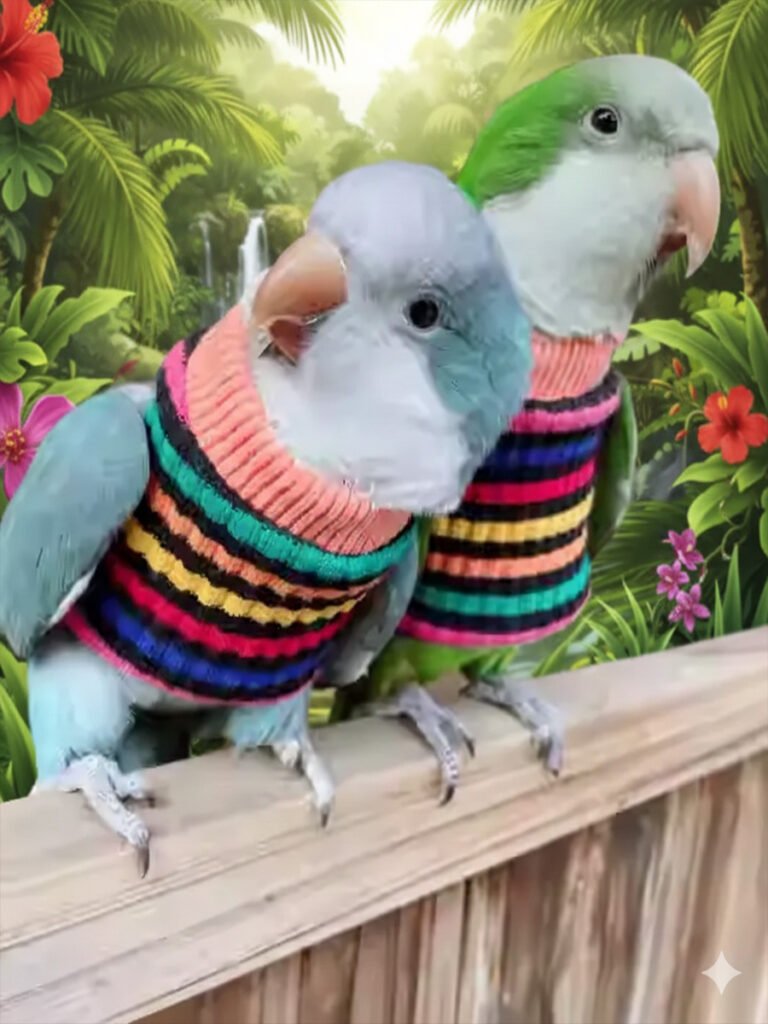
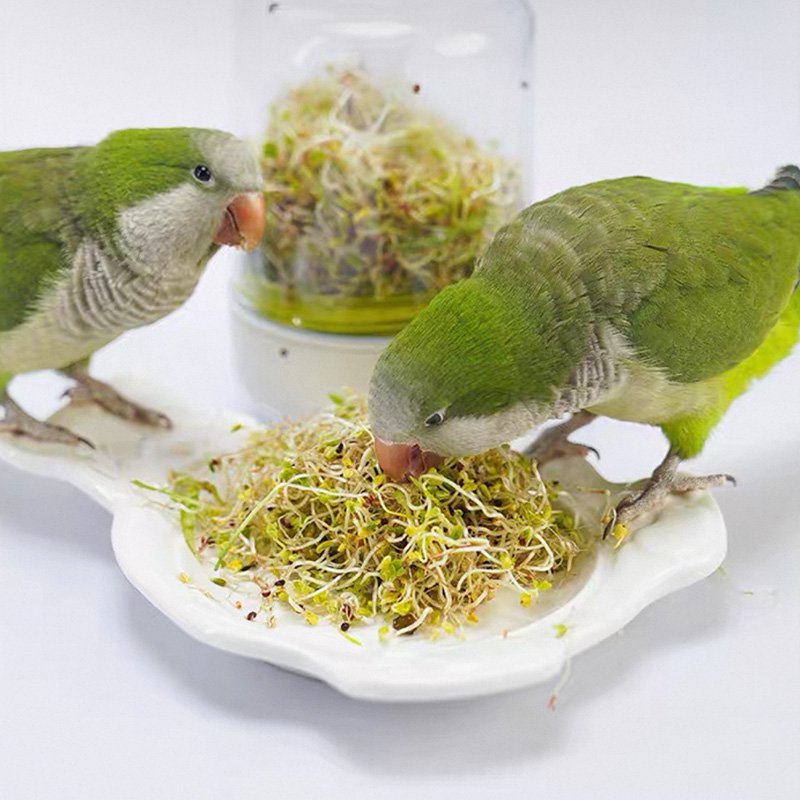
Parrots are one of the most diverse bird species in the world, with over 350 species in the Psittacidae family. Their lifespans vary widely depending on species, size, genetics, and care. Understanding parrot lifespan is essential for anyone considering these intelligent and social birds as pets. In this guide, we’ll explore average lifespans, breeding, growth, and the key factors that affect longevity in parrots.
Average Lifespan by Species
Parrots’ lifespan varies significantly by species and size:
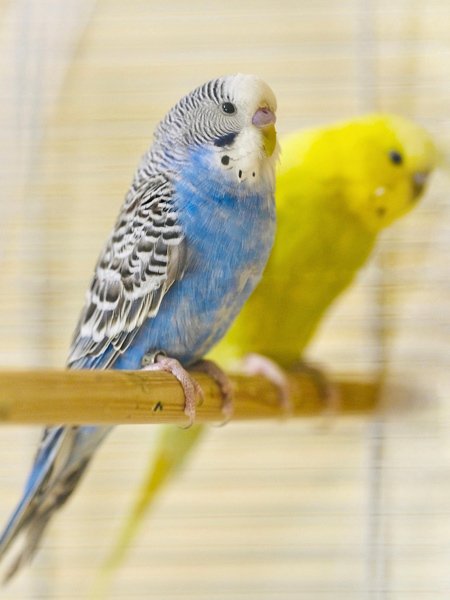
- Small parrots: Budgerigars (average 8 years), Cockatiels (average 18 years)
- Medium parrots: Honeyeater parrots (average 25 years)
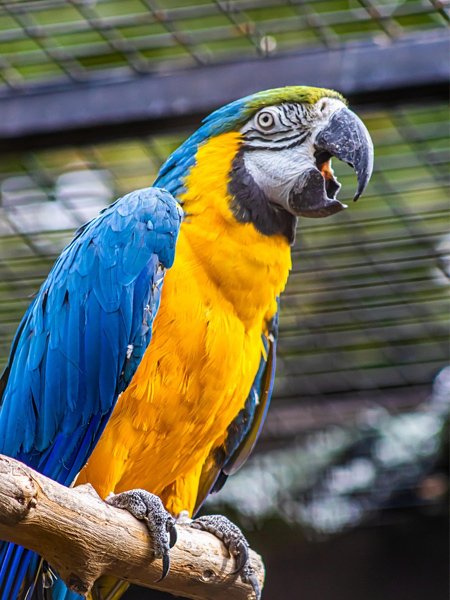
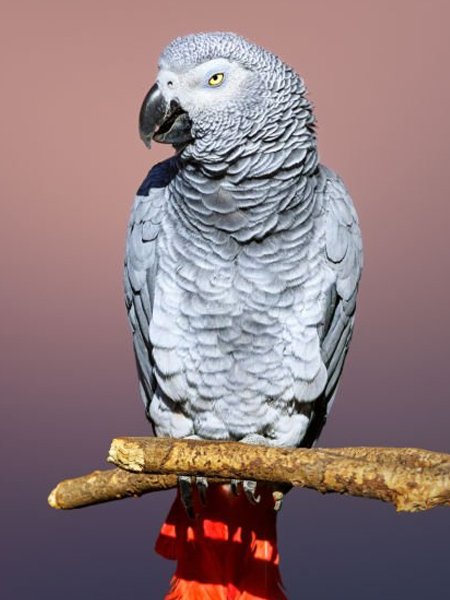
- Large parrots: Macaws (average 50 years), African Grey Parrots (average 50 years)
Wild parrots generally live far shorter lives than captive parrots — sometimes less than half the lifespan of birds raised at home. The oldest known parrot, a blue-and-gold macaw named “Charlie,” lived to approximately 114 years.
Parrot Development and Breeding
- Maturity: Small parrots reach sexual maturity around 6 months, while large parrots may take up to 6 years.
- Breeding: Each clutch typically contains 3–8 eggs. About 3 weeks after incubation, 3–5 chicks may hatch. Newly hatched chicks are featherless and blind, relying entirely on parental care. Sometimes, the largest chick may dominate food access, requiring human intervention to ensure survival.
Nutrition and Care for Longevity
Nutrition and proper care are the most critical factors for extending parrot lifespan. Captive parrots have slower metabolisms compared to wild ones, making them prone to obesity and nutrient deficiencies if improperly fed. Key guidelines include:
- Balanced Diet: Avoid seed-only diets; use high-quality pellet feed for about 80% of daily intake.
- Variety: Provide fresh fruits, vegetables, and occasional nuts to meet vitamin and mineral needs.
- Adequate Space: Large cages and safe room flight opportunities help maintain physical health.
- Environmental Safety: Remove hazards such as glass windows, mirrors, other pets, stove tops, and toxic foods.
- Mental Stimulation: Offer toys, perches, and chewable items to prevent boredom and abnormal behaviors, like feather plucking.
- Social Interaction: Regular training, playtime, and bonding activities reduce stress and strengthen human-bird relationships.
- Proper Rest: Ensure 10–12 hours of dark, uninterrupted sleep each night.
While genetics, species, and size play roles in lifespan, poor nutrition and improper care are the leading causes of premature death in pet parrots. Environmental enrichment, consistent routine, and attentive care can add years to a parrot’s life.
Remember: A parrot is not just a pet; it’s a lifelong companion. Proper care today ensures a healthier, happier bird for years to come.