For many bird enthusiasts, a parrot is more than just a pet; they are a lifelong companion, a feathered family member that can stay by your side for decades. However, achieving a maximum parrot lifespan is heavily dependent on one critical factor: the food they consume daily. In the wild, parrots forage for a diverse array of nutrients that keep their immune systems robust and their plumage shining. In captivity, it is our responsibility to replicate this nutritional complexity.
While high-quality parrot pellets serve as a necessary base, incorporating “superfoods”—nutrient-dense whole foods—is the secret to extending your bird’s longevity. Here is a curated list of the top 10 superfoods that can revolutionize your parrot’s health and significantly enhance their quality of life.
1. Blueberries and Goji Berries: The Antioxidant Powerhouse
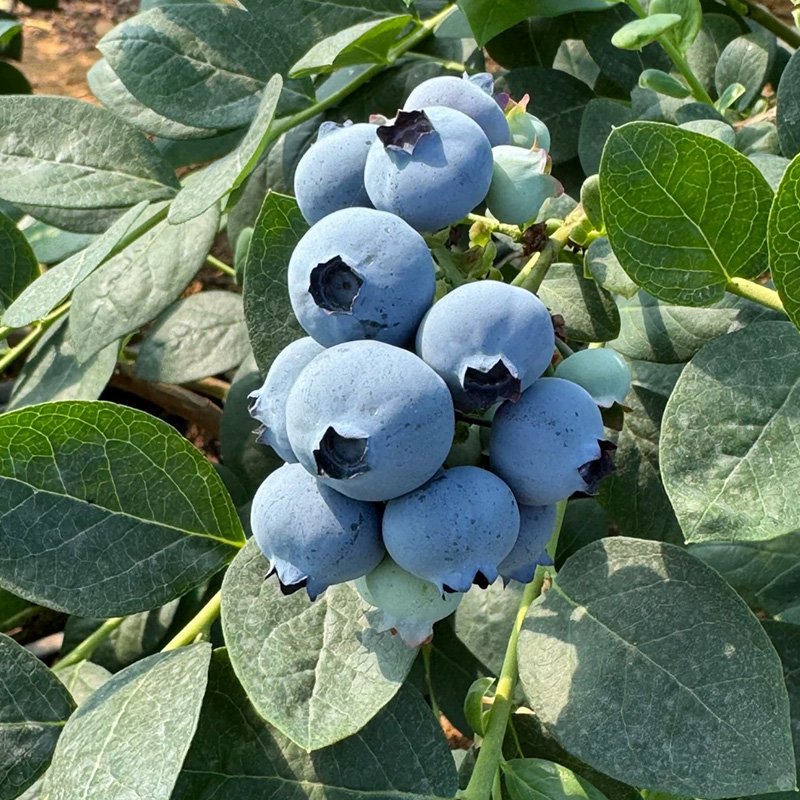
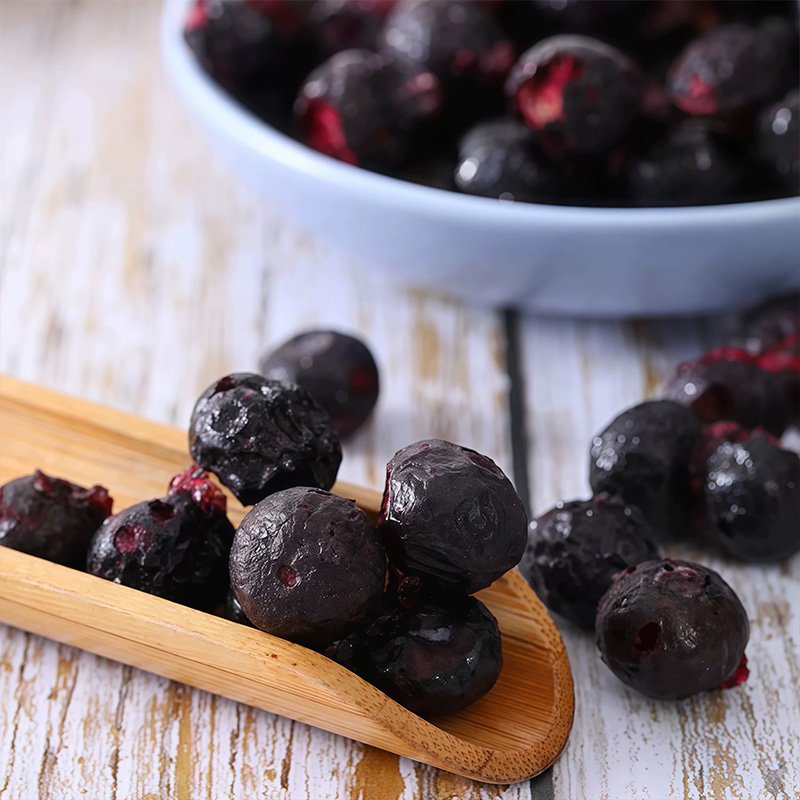
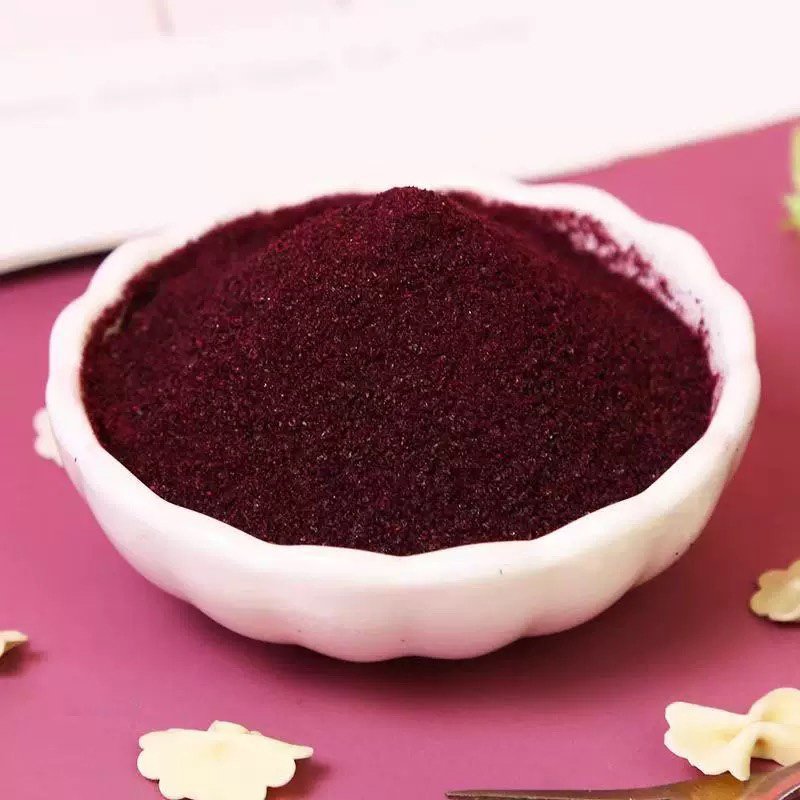
Berries are nature’s candy, but for parrots, they are life-saving antioxidants. Blueberries and goji berries are packed with anthocyanins, which protect cells from oxidative stress and inflammation. Chronic inflammation is a leading cause of aging and disease in older birds. By adding these to your natural parrot treats rotation, you help maintain your bird’s cognitive function and heart health. Goji berries, in particular, are known for their high Vitamin C content, which aids in feather repair and immune defense.
2. Sprouted Seeds and Grains: Living Nutrition
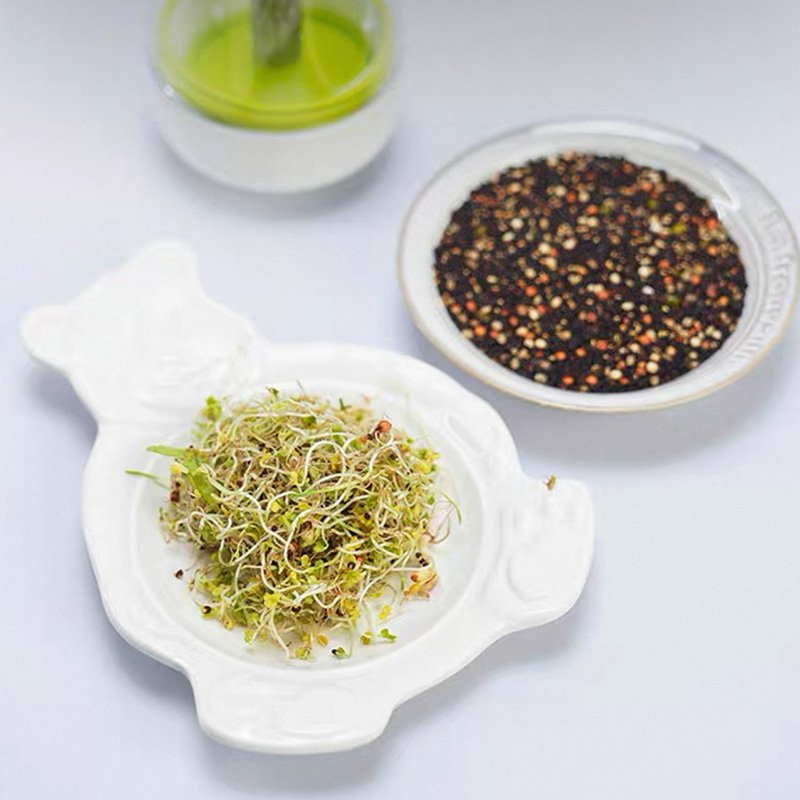
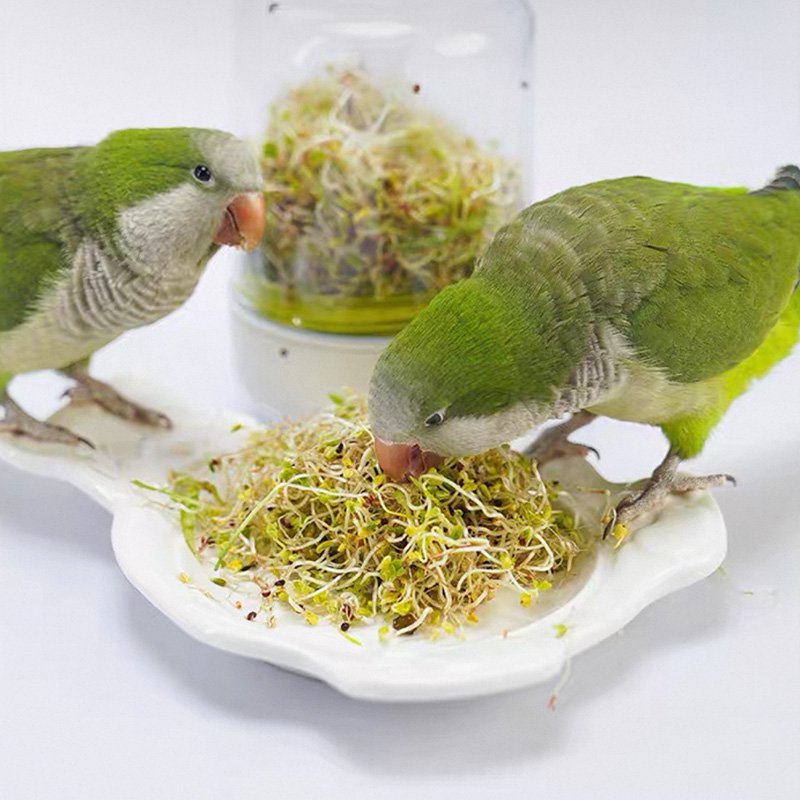
Most bird owners are aware of the dangers of an all-seed diet (often referred to as “seed junkies”). However, sprouted seeds for parrots are a completely different story. When a seed is sprouted, its chemical composition changes—fats are converted into proteins, and vitamins become significantly more bioavailable. Sprouts provide “living” enzymes that aid digestion and give your parrot a burst of energy without the unhealthy fat content found in dry, dormant seeds.
3. Kale and Dandelion Greens: Calcium and Bone Health
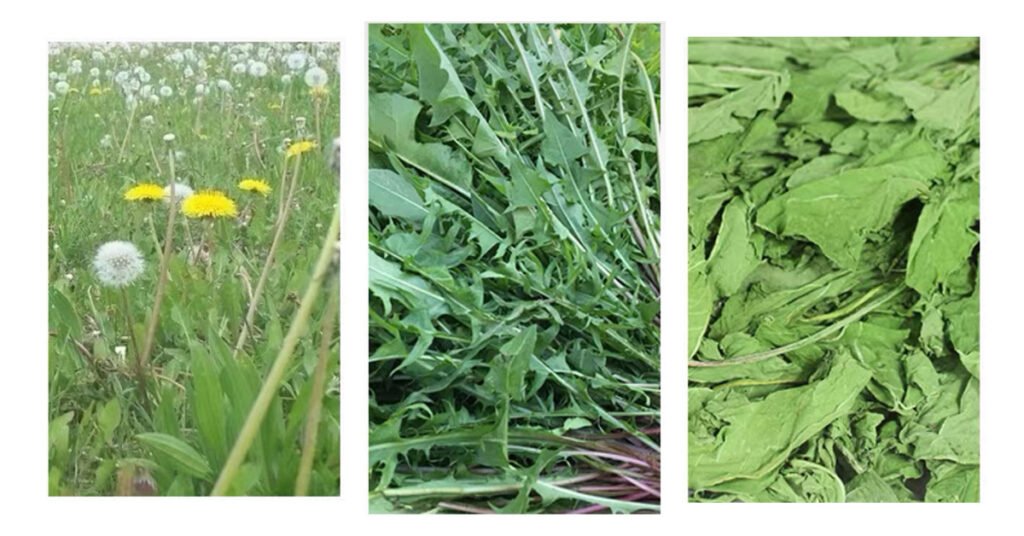
Vitamin A deficiency is one of the most common causes of premature death in captive birds. Dark, leafy greens like kale and dandelion greens are exceptionally high in Beta-carotene (which converts to Vitamin A) and Vitamin K. Dandelion greens, often overlooked, are a fantastic source of calcium and act as a natural liver detoxifier. Integrating these into an organic bird pellet diet ensures your parrot’s skeletal system stays strong and their respiratory tract remains healthy.
4. Raw Walnuts and Almonds: Brain and Feather Fuel
Walnuts are often called the “brain food” of the bird world, and for good reason. They are rich in Omega-3 fatty acids, which are essential for neurological health. Almonds, on the other hand, provide Vitamin E and magnesium. While these should be fed in moderation due to their calorie density, raw shelled walnuts for birds are much better than processed snacks. They support the production of natural oils that keep feathers waterproof and vibrant.
5. Sweet Potatoes and Pumpkin: The Vitamin A Boost
The bright orange color of sweet potatoes and pumpkins signifies a high concentration of carotenoids. These are vital for maintaining the health of the mucous membranes and the immune system. A parrot with a Vitamin A-rich diet is far less likely to suffer from secondary bacterial or fungal infections. Steamed sweet potato is a soft, comforting food that many parrots enjoy, making it an excellent carrier for other supplements or medications if needed.
6. Hemp and Chia Seeds: Complete Plant Proteins
Chia and hemp seeds are small but mighty. They are “complete” proteins, meaning they contain all the essential amino acids your bird needs for muscle maintenance and feather growth. Chia seeds can absorb many times their weight in water, helping with hydration, while hemp seeds provide the perfect 3:1 ratio of Omega-6 to Omega-3 fatty acids. These can be easily sprinkled over a parrot foraging mix to add a nutritional punch to their daily meals.
7. Hot Peppers: The Immune Stimulant
Did you know that parrots lack the receptors to taste “heat”? While a habanero would bring a human to tears, a parrot enjoys it as a spicy treat. Chili peppers are loaded with Vitamin C, Vitamin A, and capsaicin. Capsaicin is a natural circulatory stimulant and has anti-fungal properties. Feeding peppers is a great way to encourage natural foraging behavior and keep the digestive tract clean.
8. Quinoa: The Ancient Grain for Modern Birds
Quinoa is one of the few plant foods that is a complete protein source. It is also rich in fiber, phosphorus, magnesium, and iron. Unlike heavy grains that can contribute to obesity, quinoa provides a slow release of energy. Cooked quinoa can be mixed with chopped vegetables (often called “chop”) to create a balanced meal that mimics the diverse seeds and grains a parrot might find in the rainforest.
9. Red Palm Oil: Nature’s Vitamin E Source
In the wild, many African Grey and Macaw species consume the fruit of oil palms. Sustainable red palm oil for parrots is a potent source of Vitamin E and coenzyme Q10. Just a few drops drizzled over their food can improve skin elasticity, reduce feather plucking caused by dry skin, and provide a significant boost to heart health. It is particularly effective for species prone to atherosclerosis.
10. Legumes and Pulses: Lean Protein
Lentils, chickpeas, and adzuki beans (always served cooked or sprouted, never raw) provide lean, plant-based protein and high fiber. High-protein diets are crucial during molting seasons when a parrot’s body is working overtime to produce new feathers. Legumes are a much healthier protein source than table scraps or high-fat sunflower seeds.
Optimizing Your Parrot’s Diet for Longevity
To truly maximize your parrot lifespan, variety is the most important factor. No single food can provide everything. A holistic approach involves a mix of:
- 60-70% Premium Parrot Pellets (for base nutrition)
- 20-25% Fresh Vegetables and Superfoods
- 5-10% Fruits, Nuts, and Foraging Treats
Extending your parrot’s lifespan is a journey that starts in the kitchen. By moving away from a monotonous diet and embracing these 10 superfoods, you aren’t just feeding your bird; you are providing the building blocks for a long, happy, and healthy life. Remember, a healthy parrot is a happy parrot, and the right nutrition is the greatest gift you can give your feathered friend.