That new gold-rimmed coffee cup? Ruined after one wash in the dishwasher…
That handmade rustic bowl your mom gave you? Cracked right down the middle while reheating soup…
Staring at your beloved collection in house pottery, hesitating every single time before heating or cleaning?
As someone who works with pottery and ceramics every day, let me clear up the confusion once and for all. After reading this, you’ll never have to second-guess your dishware again.
1. Why Do Some Ceramics Crack or Fade?
To understand this, you need to know one key factor: the Firing Temperature from ceramic maker.
Simply put, ceramics are divided into high-fire, mid-fire, and low-fire clays. High-fire ceramics (fired above 1200°C / 2192°F) are like the “steel bodies” of the pottery world. They are highly vitrified, dense, and have an extremely low water absorption rate. Mid-fire and low-fire ceramics are more porous and may have microscopic holes invisible to the naked eye.
The Truth About Microwave Cracking: If you put porous, low-fire ceramic in a microwave, the moisture inside its body heats up and expands rapidly. Since the material isn’t strong enough, it simply bursts.
The Secret to Dishwasher Damage: Dishwashers subject your dishes to a triple threat: high-pressure hot water, strong alkaline detergents, and intense drying heat. Poor-quality glazes can be corroded by these detergents, losing their shine, becoming rough, and even causing patterns to fade.
Once you understand this basic principle, everything else becomes easy.
2. Want to Use It in the Microwave? Look for These 3 Things as follow
- Look for This Symbol (The Most Reliable Method)
Reputable ceramic maker always print a “Microwave Safe” symbol clearly on the bottom of the product or its packaging. This is a certification that it has passed thermal shock tests. If there’s no symbol, don’t risk it. - Absolutely Avoid “Metal Trim”
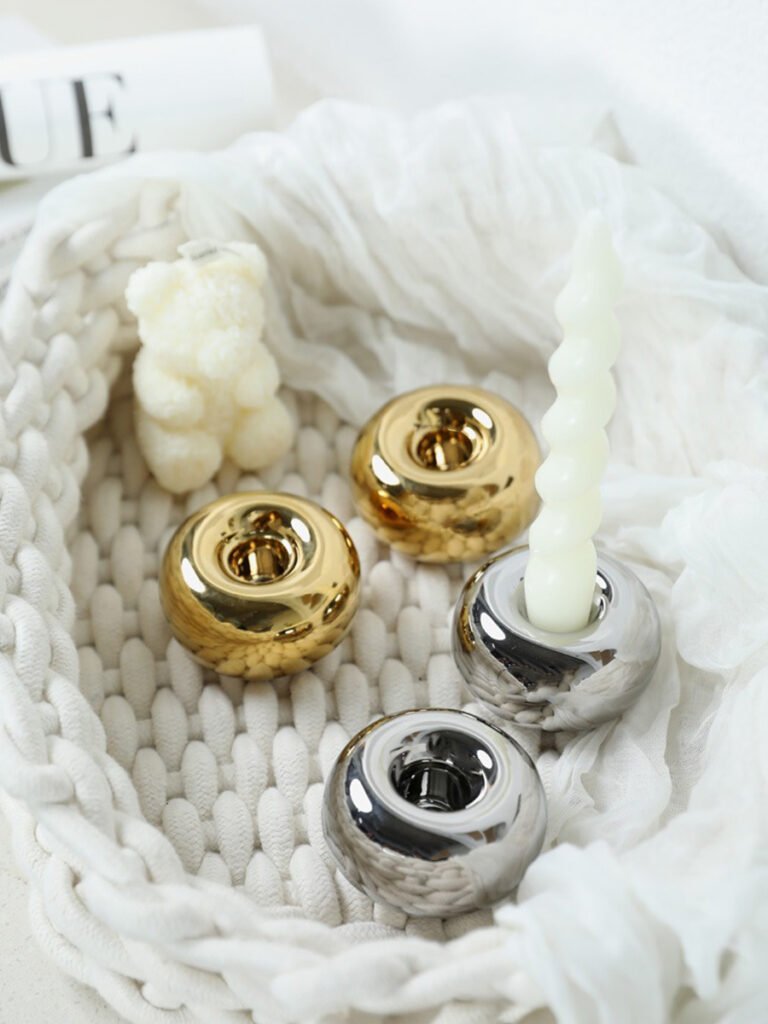
Never, ever put anything with a gold, silver, or platinum rim, or any gilded patterns, into the microwave! Metal creates sparks, which can ruin your pottery pie dish, damage the appliance, or even cause a fire. - Touch the Pattern (Underglaze is Safer)
If you’re unsure whether the pattern contains metal, feel it with your finger:
On-glaze decoration: The pattern feels raised, like it’s sitting on top of the glaze. It’s best not to microwave these, especially brightly colored painted pottery (like reds and oranges).
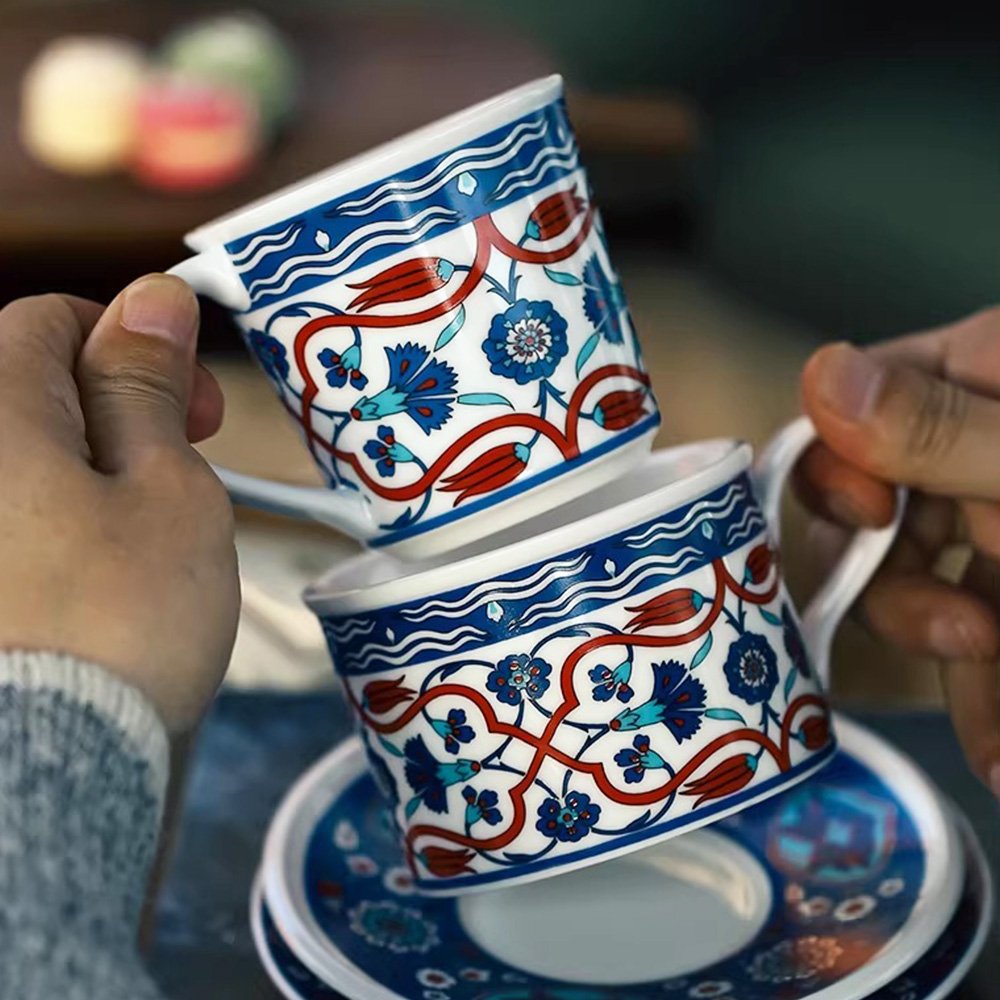
In-glaze / Underglaze decoration: The pattern feels completely smooth and flat, as if it’s sealed under a layer of glass. This process ensures the pigments don’t touch your food and contain no metal, making them the safest choice for microwaves.
3. Want to Use pottery warein the Dishwasher? Pass These Two Tests
- Weigh It and Listen to It (Determining if it’s High-Fire)
Listen: Gently flick the piece with your finger. A clear, bell-like ring with a pleasant echo means it’s well-made and can handle the dishwasher. A dull, thudding sound means it wasn’t fired at a high enough temperature; these are best washed by hand.
Touch: Compare the weight. A piece that feels heavier for its size usually has a higher density and is more durable. - Examine the Glaze and Texture
Rustic Pottery & Matte Glazes: These charming styles usually have a softer or more textured surface. The dishwasher can “age” them quickly, potentially leading to a worn look or even staining that won’t wash out. Hand washing is recommended to preserve their unique character pottery techniques.
Smooth, Glossy Glazes: As long as it’s high-fire ceramic with a fully vitrified, glass-like glaze, the dishwasher will have little to no effect on it.
4. Don’t Get Fooled by Pottery Stores Sellers! Your 3-Step Buyer’s Checklist
Use these three tricks when shopping online or in stores to instantly become a high quality ceramics shopper:
- Tap It: Gently tap the piece and listen to its sound to judge its vitrification level.
- Look Closely:
Check the bottom: Is there a usage symbol?
Check for translucency: Hold it up to the light. Good high-fire porcelain or bone china will have an even, slightly translucent glow.
Check for warping: Place the plate upside down on a flat surface to see if it wobbles. - Ask the Right Questions:
“Is this on-glaze or underglaze?”
“Is this high-fire or mid/low-fire?” (If the seller is vague, it’s probably not high-fire.)
5. Ceramics Have “Grades” Too. Which Level is Yours ceramic class?
According to national standards, ceramics are divided into three grades based on visible imperfections. This directly affects their price and collectability:
- Premium Grade (Collector’s Grade)
Features: Virtually flawless. No spots, no pinholes, perfectly smooth glaze, and minimal warping.
Best for: Pottery collectors seeking perfection, or as a significant gift. - First Grade (Everyday Excellence)
Features: This is the grade for most high-quality branded ceramics on the market. It allows for 1-2 tiny, inconspicuous flaws (like a microscopic pinhole) that don’t affect the overall beauty or use.
Best for: Most households looking for the best balance of quality and value. For daily coffee use, this grade is more than enough. - Qualified Grade (Budget-Friendly Utility)
Features: May have more noticeable defects, such as slight warping (a minor wobble on the table), obvious color variations, or small areas where the glaze is missing. Still fully functional.
Best for: Those on a tight budget who don’t mind minor imperfections, or for use in rentals, camping, travel coffee cup or other “no-fuss” situations.
Finally, and Most Importantly—The Health Red Line
Regardless of potteryclass, there’s a mandatory safety standard: lead and cadmium release. This is especially important for brightly colored ceramic cups and bowls (especially reds and yellows) on the inside. If the craftsmanship is poor, these metals can leach into acidic foods like juice or vinegar.
Remember: For porcelain ceramics surfaces that touch your food, always choose plain (white) interiors or underglaze decoration. This is the most important step for protecting your health.
Summary Safe for Ceramic Containers:
For the Microwave: Look for the symbol + no metal trim + underglaze decoration is best.
For the Dishwasher: Prioritize high-fire ceramics (rings when tapped) + smooth, glossy glazes. Hand-wash your rustic, matte-finished pottery.
Choosing a Grade: For yourself, First Grade offers the best value. For gifts or collecting, go for Premium ceramic pottery classes.
Hopefully, this “ceramic’s perspective” helps ease your worries, allowing you to use your beloved cups and plates correctly and keep them for years to come. Next time you’re buying ceramics from ceramics shop, you’ll be half an expert.